
CANNABIS 101
We are here to educate and help you navigate the what’s and how’s of CBD and THC.
WHAT IS CANNABIS?
Cannabis, also widely referred to as ‘Marijuana’, ‘Weed’, and ‘Pot’, is a plant that’s grown for its therapeutic, recreational, and even industrial purposes (ie. hemp). Humans have consumed and cultivated cannabis since the beginning of recorded history, with evidence for this dating back to as far as 7000 BC. In most countries, the consumption of cannabis has been prohibited for around 100 years.
Cannabis is generally used recreationally for it’s mental or physical effects, commonly known as a ‘high’. This feeling is primarily the result of THC, or tetrahydrocannabinol, but there are hundreds of known compounds in cannabis, namely Cannabinoids & Terpenes which account for most of the known effects of cannabis.
WHAT IS A CANNABIS STRAIN?
A cannabis strain, known more formally as a cannabis ‘cultivar’, is a specific breed or variety of cannabis. More than 700 different strains have already been documented. It is unclear, however, if a specific strain is actually relevant to the chemical composition, as there is often large variations in the characteristics between breeders and growing environment for the same strain. A cannabis strain name does not necessarily represent a genetically unique variety.
The large number of cannabis varieties has been the result of genetic crosses originally made between indica and sativa varieties, and subsequent crosses made between hybrids. These contain varying proportions of sativa and indica genes, and possess a range of different characteristics.
The names of these strains can offer clues to either geographical origin or source genetics. ‘Kush’ strains, for example, have ancestry from varieties collected from the Afghanistan/Pakistan region. Strains are often named after the parental strains used to produce them, so crossing ‘Blueberry’ with ‘White Widow’ for example, has produced a strain named ‘Berry White’.

WHY DOES CANNABIS MAKE YOU "HIGH"?
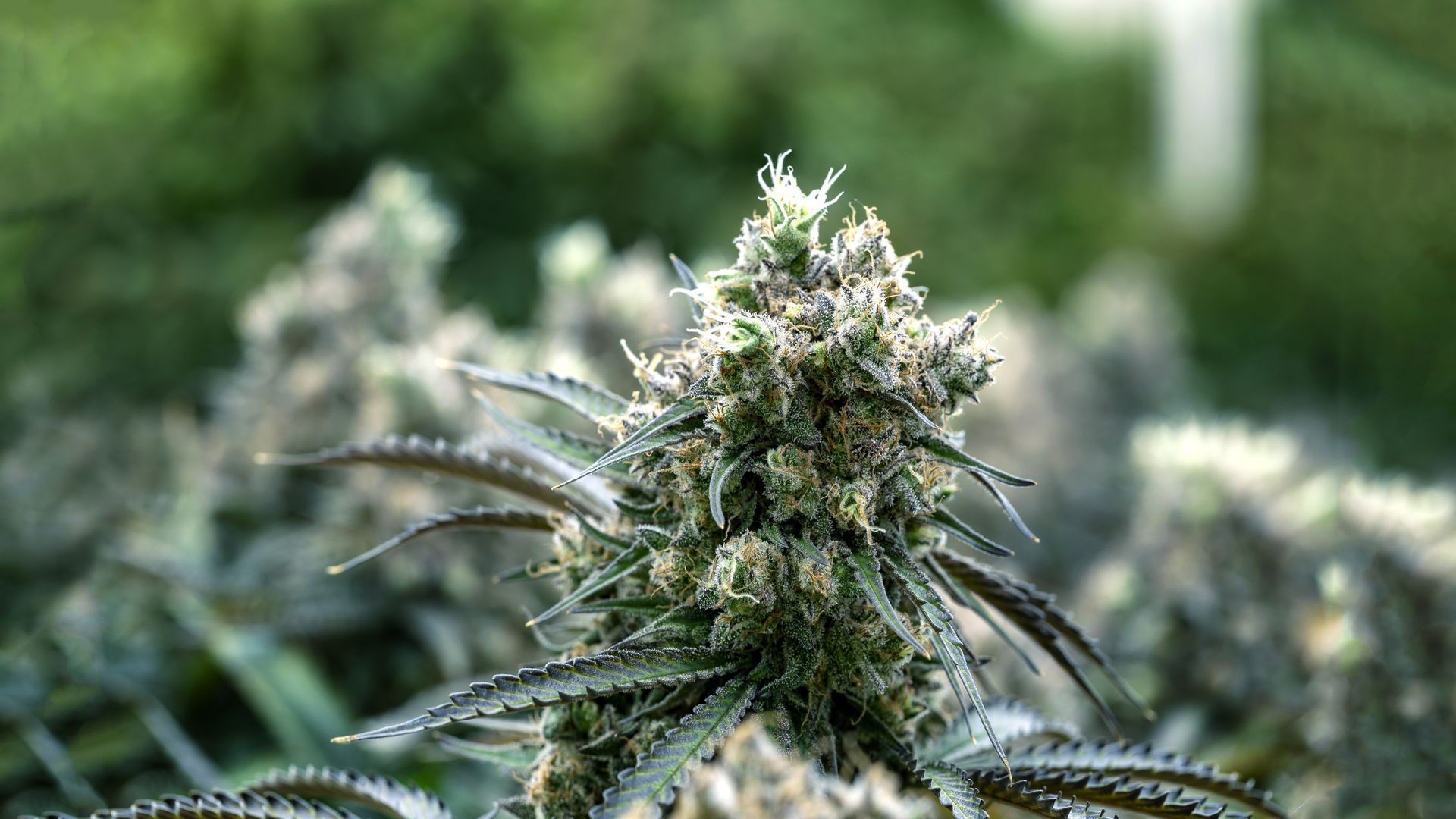
Marijuana plants produce chemical compounds called cannabinoids. The most well known of those is delta-9-tetrahydrocannabinol (THC) and increasingly cannabidiol (CBD). THC is known to be the primary psychoactive compound in cannabis that causes the ‘high’.
When you smoke cannabis, THC goes into your lungs, then enters your bloodstream which then takes it directly to your brain. Once it’s in your brain, the THC activates what are called ‘receptors,’ which alter normal brain communication between neurons.
Cannabinoid receptors, such as CB1 and CB2 receptors, have evolved to interact with endocannabinoids, which are cannabinoids produced by the body itself. Phytocannabinoids are the type of cannabinoids produced by the cannabis plant, and are able to bind to these same cannabinoid receptors, thus causing the psychoactive and physical effects known as a ‘high’.
CANNABIS EFFECTS
The interaction of cannabinoids and terpenes on the brain and body produce a variety of effects. These may include effects like:
Happiness
Feeling of Euphoria
Focused
Sleepy
Relaxation
CONSUMPTION METHODS
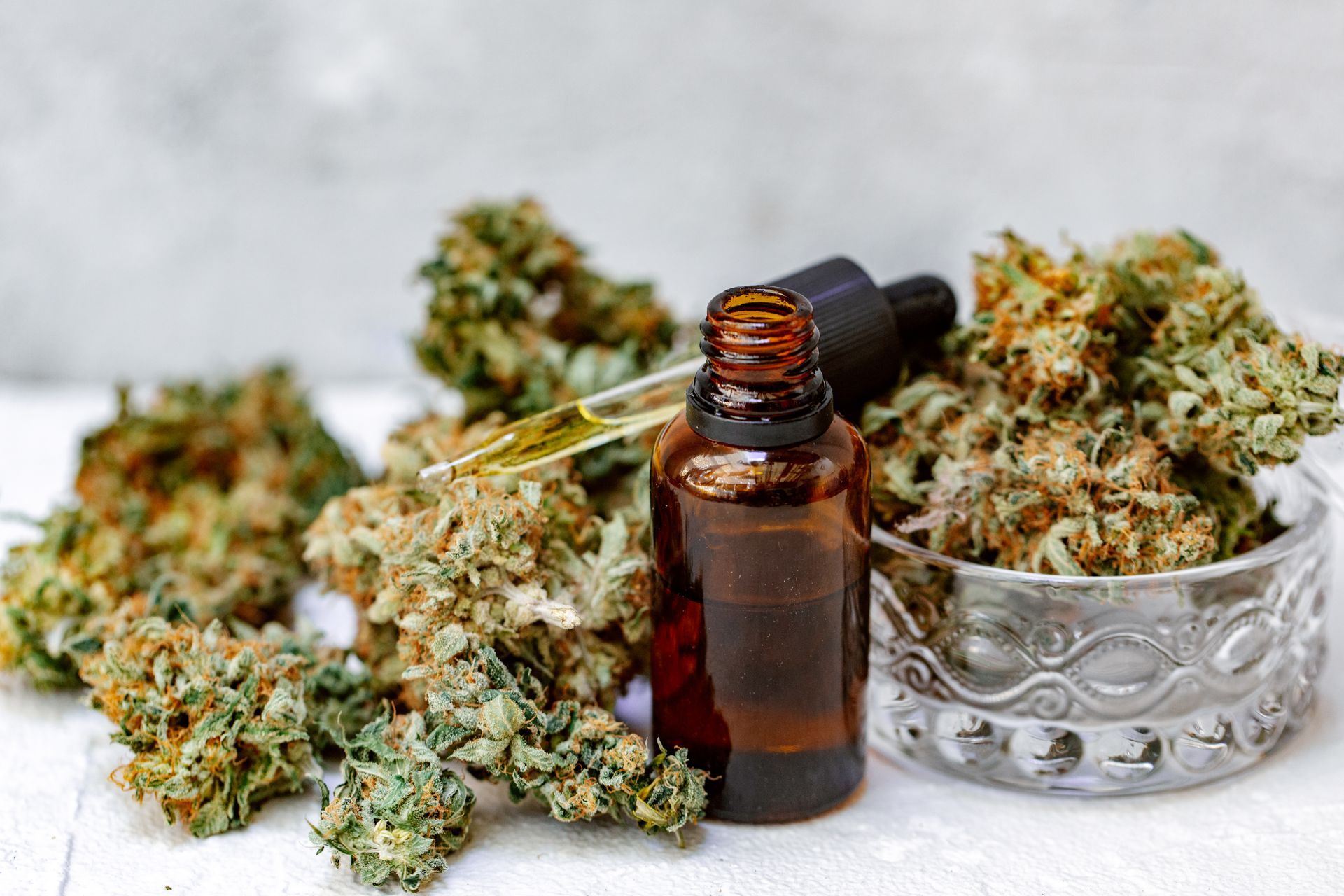
Cannabis can be consumed in a variety of ways. The most common way to consume cannabis is by smoking dried cannabis bud or flower. Other common consumption methods are vaporizing, ingesting (oils, capsules, edibles), and by application to the skin.
Smoking or vaporizing cannabis will result in the fastest high, as cannabinoids are quickly absorbed into the bloodstream via the lungs and delivered to the brain. The effects of smoking cannabis are generally sustained for about 2-3 hours.
Ingesting cannabis take longer to produce effects because the THC is first processed by your stomach, then metabolized by your liver into another chemical, 11-hydroxy-THC, all before making its way into your bloodstream and finally your brain and body. The effects of ingesting cannabis are generally sustained for about 4-6 hours.
WHAT ARE CANNABINOIDS?
Cannabinoids are chemical compounds which are created both within the body (endocannabinoids) and by plants (phytocannabinoids). The most well known of those is delta-9-tetrahydrocannabinol (THC) and increasingly cannabidiol (CBD). Over 100 cannabinoids have been identified so far, which all have distinct properties.
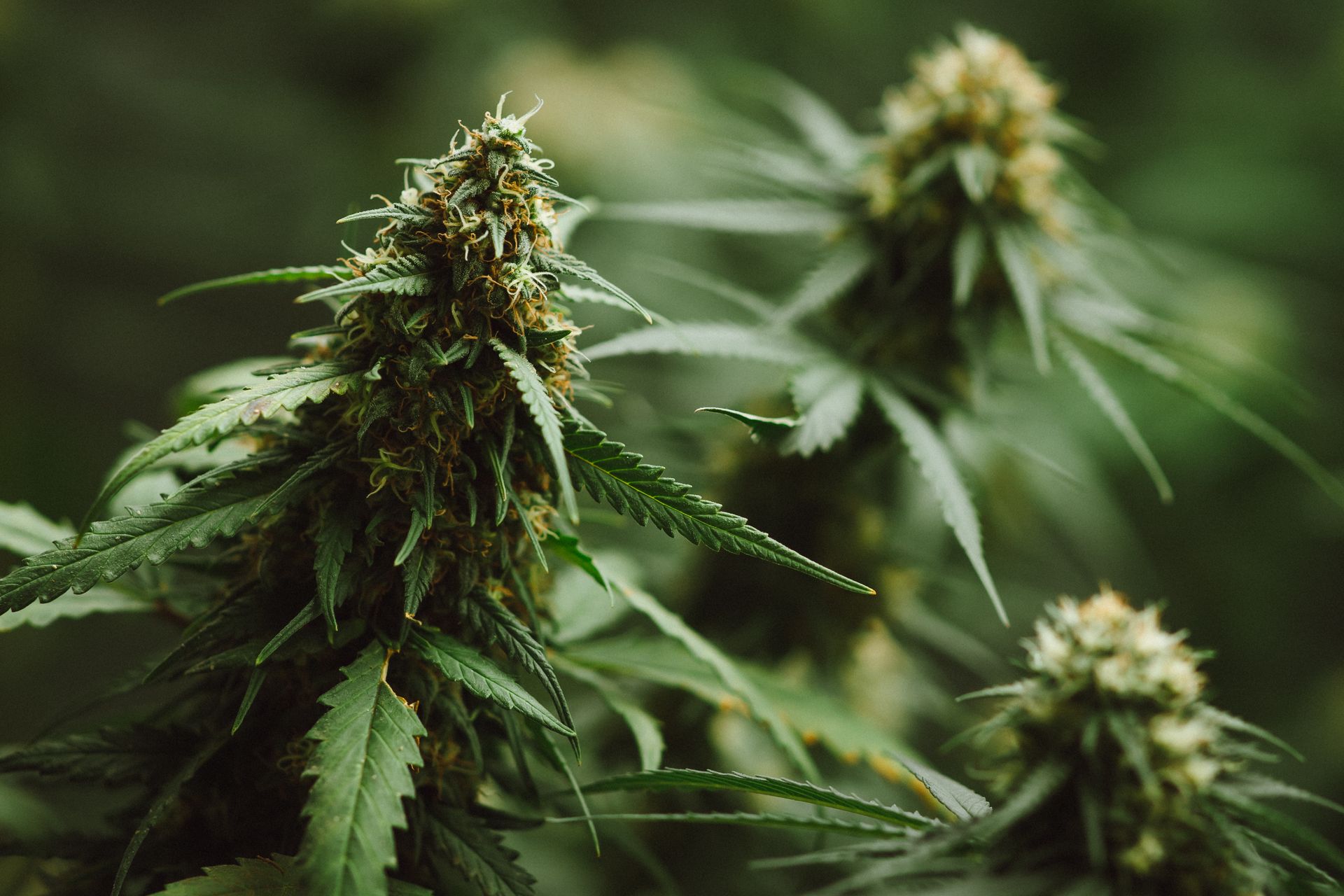
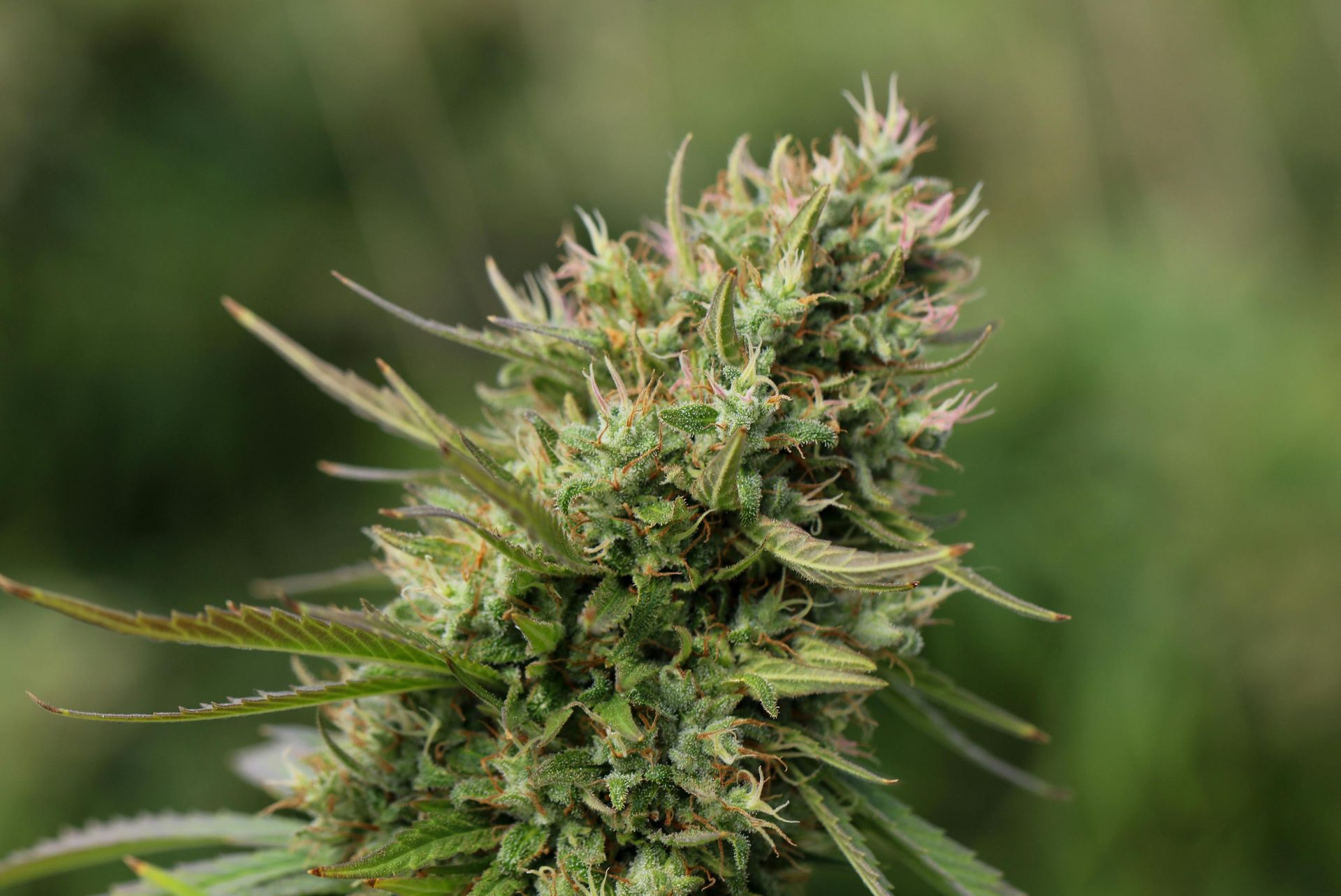
Cannabinoids are produced within trichomes, which are the tiny sticky, shiny, crystalline outgrows found on the cannabis leaf. These trichomes are most abundant in unfertilised, female cannabis plants. Male plants are undesirable in terms there recreational and therapeutic uses, since they contain almost no THC and CBD.
The interaction of the cannabinoids, namely THC, and receptors in the brain are what cause the cannabis ‘high’.
CANNABIS BASICS
THC
THC (delta-9 tetrahydrocannabinol) is the primary cannabinoid in cannabis that is responsible for the plant’s psychoactive effects. When you smoke cannabis, THC goes into your lungs, then enters your bloodstream which then takes it directly to your brain. Once it’s in your brain, the THC activates what are called ‘receptors,’ and gives you the feeling of being high.
CBD
This is the text area for this paragraph.To change it, simply click and start typing. Once you've added your content, you can customize its design by using different colors, fonts, font sizes and bullets. Just highlight the words you want to design and choose from the various options in the text editing bar.
INDICA
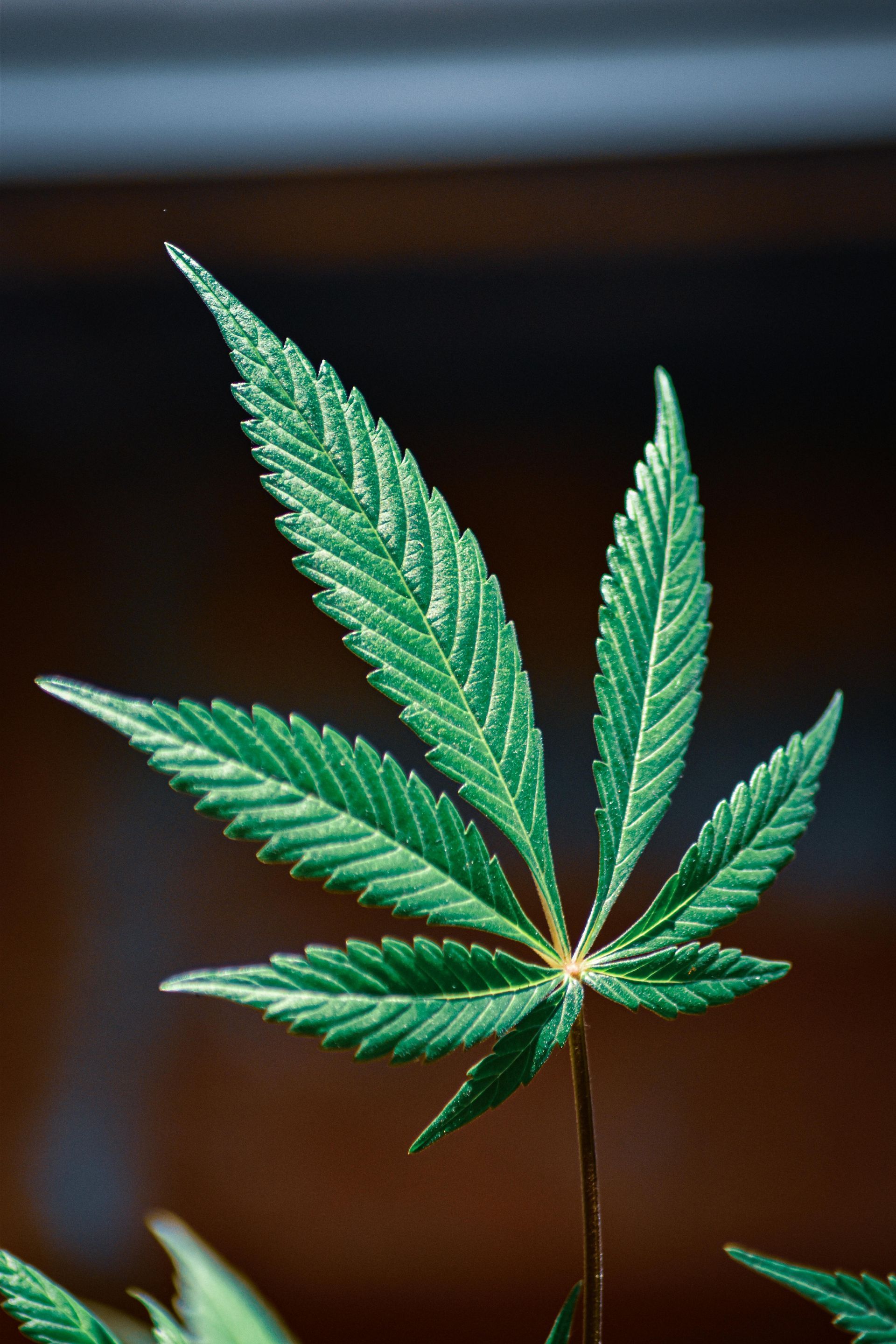
It might surprise people to learn that there are actually three main types of cannabis that have been described: sativa, indica, and ruderalis. Generally, sativa plants are described as taller and loosely branched, whereas indica is typically shorter, and more densely branched. Ruderalis is described as short and sparsely if at all branched, but is sometimes crossed with indica, sativa, or hybrid plants to create new strains. It might also surprise people to know that this taxonomic separation sativa and indica remains controversial within the scientific community.
SATIVA
Sativas are often characterized as uplifting and energetic. The effects are mostly cerebral (head-high), also described as spacey or hallucinogenic. Sativas are considered a good choice for daytime smoking.The Indica high is most often described as a pleasant body buzz (body-high). Indicas are primarily enjoyed for relaxation, stress relief, and for an overall sense of calm and serenity. They are the late-evening choice of many smokers as a sleep aid.
TERPENES - CANNABIS FLAVOUR & SMELL
Terpenes, formally known as Terpenoids, are aromatic compounds that serve many uses for plants, from protection from predation, attraction of pollinators, and much more.
Terpenes are responsible for the aroma of cannabis, and over 200 have been reported in the plant. Terpenes impart scents and flavours similar to those found in a range of other plants including pine trees, lemon fruit and basil.
Terpenes are produced in the trichomes of cannabis. Terpene concentrations in cannabis flowers are often seen in the 1 – 3.5% range, but up to 10% within trichomes themselves.
THE MOST COMMON TERPENES
Limonene
Alpha-Pinene
Beta-Mycrene
Linalool
Beta-Caryophyllene
- Commonly Encountered in Lemon
- Citrus Aroma
- Produces a more "cerebral, uplifting, energizing" experience
- Can be found in citrus fruits and rinds
- Commonly Encountered in Pine
- Piney Aroma
- Produces a more "focused, alert" experience
- The most widely encountered terpene in nature
- Commonly Encountered in Hops
- Herbal/Earthy Aroma
- Produces a more "physical, mellow, sleepy" experience
- The most prevalent terpene in modern cannabis strains in the United States
- Commonly Encountered in Lavender
- Floral Aroma
- Produces a more "uplifted, relaxed" experience
- Commonly extracted from lavender, rose and basil
- Commonly found in Black Pepper
- Spicy Aroma
- Produces a more "relaxed" experience
- Widely used in food industry
WHAT IS A CANNABIS LICENSED PRODUCER (LP)?
A Licensed Producer (LP), are cannabis growers and extractors who are authorized by Health Canada to produce and sell dried marijuana, fresh marijuana, cannabis oil, or starting materials to the public.
There are over 100 licensed producers operating in Canada as of 2018.